








Gluten-Free Living: Necessity or Just Another Health Trend?
- Category: Health
- Published: Wednesday, 29 July 2026 20:13
- Joanne Wallenstein
 Walk through almost any grocery store today and you'll find gluten-free products everywhere—from bread and pasta to cookies and cereal. Restaurants are prominently labeling gluten-free menu items, and social media is filled with influencers claiming that cutting out gluten leads to better health, more energy and less bloating.
But is gluten-free eating really healthier?
According to Dr. Ameet Hans, gastroenterologist at White Plains Hospital's Center for Advanced Medicine & Surgery, the answer depends on why you're avoiding gluten.
"For some people, avoiding gluten is medically necessary," she says. "For others, eliminating gluten may offer no health benefit. A healthy diet is less about avoiding one ingredient and more about choosing balanced, nutrient-rich foods."
Who Really Needs to Avoid Gluten?
Gluten is a group of proteins found in wheat, barley and rye. It gives bread its chewy texture and helps baked goods hold their shape.
For most people, gluten isn't a problem. But for others, avoiding it is an essential part of staying healthy.
People with celiac disease, an autoimmune condition, must completely eliminate gluten because it triggers an immune response that damages the small intestine. Others, including people with non-celiac gluten sensitivity or a wheat allergy, may also benefit from avoiding gluten under the guidance of their healthcare provider.
Is Gluten-Free Healthier?
One of the biggest misconceptions is that foods labeled "gluten-free" are automatically better for you.
In reality, many packaged gluten-free products—such as breads, crackers, cookies and snack bars—contain more sugar, sodium and refined starches to help replicate the taste and texture of foods made with wheat than their traditional counterparts. At the same time, whole grains that naturally contain gluten provide important nutrients such as fiber, iron and B vitamins.
"For people who don't have a medical reason to avoid gluten, there's no strong evidence that eliminating it makes you healthier," says Dr. Hans.
Instead of focusing on what's missing from your plate, consider what you could be adding to it.
Build Your Plate Around Naturally Gluten-Free Foods
One of the best-kept secrets about gluten-free eating is that many healthy foods are naturally gluten-free to begin with.
Lean proteins, vegetables, fruits, beans, lentils, potatoes, rice and gluten-free grains such as quinoa can all serve as the foundation of delicious, satisfying meals. Healthy fats, fresh herbs and colorful produce add even more flavor and nutrition.
"When you focus on whole foods instead of processed substitutes, gluten-free eating becomes much simpler," Dr. Hans says.
Shop Smart—and Read Labels Carefully
Even if you don't rely heavily on packaged foods, gluten can sometimes show up where you least expect it.
Soy sauce, marinades, seasoning blends, salad dressings, soups and processed meats may all contain hidden sources of gluten.
For people with celiac disease, cross-contamination during food preparation is another important consideration, particularly when dining out.
Reading ingredient labels carefully and asking questions at restaurants can help ensure meals are truly gluten-free.
Gluten-Free Doesn't Mean Flavor-Free
Perhaps the biggest misconception about gluten-free eating is that it's restrictive.
White Plains Hospital recently partnered with Zwilling Cooking Studio for an interactive cooking event that demonstrated how fresh, naturally gluten-free ingredients can be transformed into colorful, satisfying meals with recipes built around seasonal produce, lean protein and bold flavors.
The takeaway wasn't simply how to cook without gluten. It was how to cook – and eat – well without it.
Whether you're following a gluten-free diet because of a medical condition or simply looking to incorporate more fresh, wholesome meals into your routine, healthy eating doesn't have to feel limiting.
Inspired to bring good eats into your own kitchen? Here are two tasty recipes from White Plains Hospital's gluten-free cooking event.
JICAMA, WATERMELON & CUCUMBER SALAD
Serves: 4-6 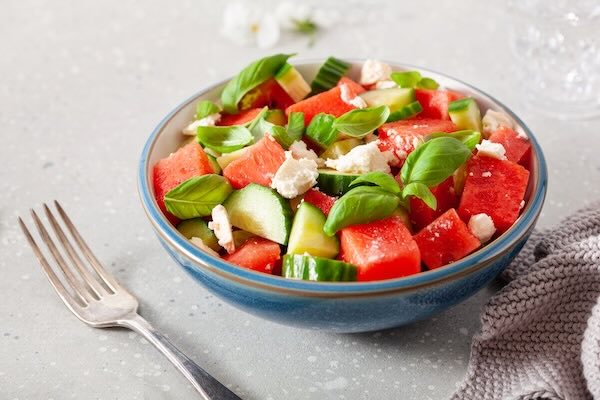
Prep Time: 20 minutes
Cook Time: N/A
INGREDIENTS JALAPENO LIME VINAIGRETTE:
¼ cup lime juice
2 tsp honey or agave
1 Jalapeno
1 garlic clove, grated
⅓ cup avocado oil
Salt to taste
INGREDIENTS SALAD:
2 cups of watermelon, julienne
2 cups jicama, julienne
2 cucumbers, julienne
8 Mint leaves, chiffonade
Tajín or chili-lime seasoning
INSTRUCTIONS
1. Using an immersion blender or personal blender, add all of the ingredients for the
vinaigrette.
2. Blend until smooth, taste and adjust the seasoning as needed.
3. In a large bowl, toss the salad gently before serving.
4. Finish with mint and chili-lime seasoning.
ADOBO FLANK STEAK
Serves: 4 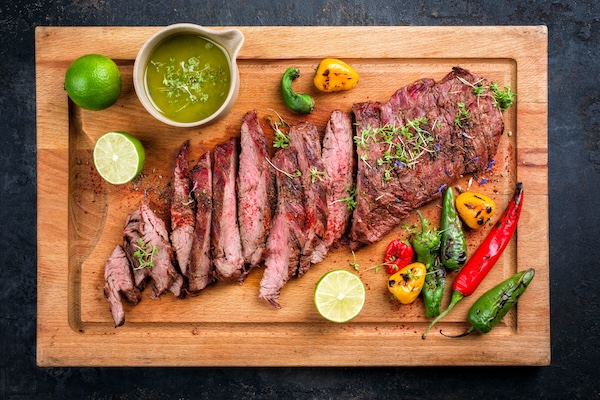
Prep Time: 30- 90 minutes
Cook Time: 25 minutes
INGREDIENTS ADOBO FLANK STEAK:
2 tbsp olive oil
2 Chipotle peppers in adobo
3 garlic cloves
Juice of 2 limes
1 tsp cumin
1 tsp smoked paprika
1 tsp oregano
Salt & pepper
2 lbs flank steak
INSTRUCTIONS ADOBO FLANK STEAK:
1. Blend all the marinade ingredients until smooth.
2. In a container or bag, add the flank steak and the blended marinade, and seal using a hand-held vacuum sealer. Marinate at room temperature for 30 minutes or up to overnight in the refrigerator.
3. Preheat a grill pan, fry pan, or grill on high.
4. Scrape or shake off the excess marinade. Adjust the heat to medium-high. Gently place the steak in the pan and sear on both sides, about 3-5 minutes per side.
5. Rest before slicing against the grain.
CHEF NOTE: If time permits, remove the steak from the container after the marinating time, and place it on a sheet tray lined with a wire rack. Place the tray in the refrigerator uncovered for 1 hour or up to overnight.
To make an appointment with Dr. Hans, call 914-949-7556.
This story first appeared in Health Matters, a White Plains Hospital publication.