









Summer Safety for Seniors Starts Here
- Category: Health
- Published: Wednesday, 05 August 2026 22:17
- Joanne Wallenstein
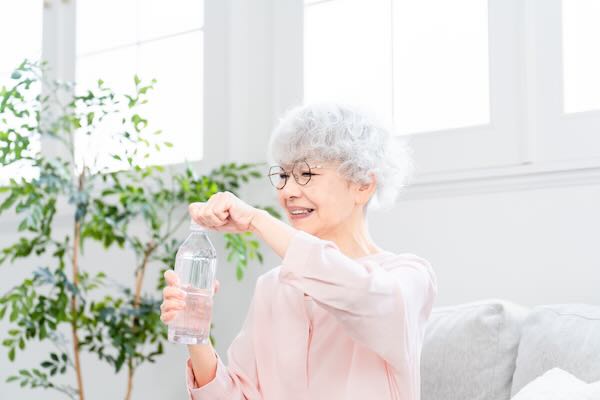 Summer is a season for seniors to enjoy, whether tending the garden, taking evening walks, vacationing or cheering on the grandchildren at a ballgame.
But warmer temperatures can make it easier for older adults to become dehydrated, sometimes before they even realize it.
Dr. Jennifer Chovitch, a family medicine physician with White Plains Hospital Physician Associates' Scarsdale Medical Group, shares practical advice to help seniors safely make the most of their summer as well as guidance for their loved ones and caregivers.
Why Older Adults Face Greater Heat Risks
"The biggest misconception I hear is, 'If I'm not thirsty, I don't need to drink water,'" says Dr. Chovitch. "As we get older, that warning signal isn't as reliable. By the time many older adults feel thirsty, they may already be dehydrated."
As we age, our bodies become less efficient at regulating temperature. We sweat less, have less total body water and don't cool ourselves as effectively as we once did.
"Even small fluid losses can have a much bigger impact than people realize," Dr. Chovitch explains.
That means time spent walking through a street fair or simply sitting outside can sometimes lead to dehydration more quickly than expected.
Health Conditions and Medications Can Also Increase Risk
For many older adults, the weather is not the only concern.
Chronic conditions such as heart failure, high blood pressure, chronic kidney disease, diabetes and gastrointestinal conditions that cause fluid loss can all increase the risk of dehydration during the summer.
Certain medications can add to that risk, including:
• Diuretics ("water pills")
• Certain diabetes medications
• Laxatives
• Some medications used to treat anxiety, depression or insomnia
• Medications with anticholinergic effects, which can reduce sweating
"Some people should increase their fluid intake during hot weather, while others may have medical reasons to limit fluids,” says Dr. Chovitch. “It's always best to discuss a plan with your healthcare provider."
Don't Wait Until You Feel Dehydrated
"People often say, 'I'll just drink more water if I start feeling dehydrated,'" Dr. Chovitch says. "The reality is that older adults have weaker warning signals, so symptoms can develop before they realize anything is wrong."
Early signs can include dry mouth, fatigue, dizziness, darker urine and decreased urination. Left untreated, dehydration can progress to confusion, delirium, a rapid heart rate and even kidney injury.
Heat exhaustion may also cause heavy sweating, pale skin, nausea, vomiting and weakness.
If an older adult develops confusion, loses consciousness, experiences seizures or has a body temperature of 104°F or higher, it may be heat stroke, a life-threatening emergency that requires immediate medical attention.
Simple Ways to Stay Safe
Fortunately, staying safe doesn't mean staying indoors but keeping hydrated is key.
In addition to drinking water regularly (even if you don't feel thirsty), other preventative measures can include: air-conditioned spaces, wearing lightweight clothing, limiting alcohol and caffeine, avoiding strenuous activity during peak heat and taking shade breaks when spending time outdoors.
She also encourages family members to keep an eye on older loved ones during heat waves.
"Another common misconception is that heat illness only happens if you're exercising outside," Dr. Chovitch advises. "It can happen indoors too, especially if someone doesn't have air conditioning or adequate ventilation. A quick phone call or visit to check in on an older family member can make a real difference."
Enjoy Summer Safely
Summer should be about making memories, not a trip to the emergency department.
"Most heat-related illnesses are preventable," says Dr. Chovitch. "Staying hydrated, planning ahead and recognizing the early warning signs can go a long way toward helping older adults stay healthy and active all season."
To make an appointment with Dr. Chovitch, call 914-949-7556.
This story first appeared in Health Matters, a White Plains Hospital publication.