








What to Know About Your Breast Health at Every Age
- Category: Health
- Published: Friday, 16 October 2026 10:03
- Joanne Wallenstein
 Submitted by By Dr. Leslie Kim, Breast Surgeon, White Plains Hospital
There’s no one-size-fits-all approach to breast cancer screening, which is why understanding your personal risk is an important first step. Your age, family history and other factors can help determine when you should begin screening and whether you may benefit from additional testing.
As a breast surgeon caring for patients at White Plains Hospital’s Center for Cancer Care and Montefiore New Rochelle, Dr. Leslie Kim works with women throughout the breast cancer journey. Here are five things she wants women to know about protecting their breast health.
1. Know your breast cancer risk early.
You don’t have to wait until you’re 40 to start thinking about breast cancer. Dr. Kim recommends that women have a breast cancer risk assessment beginning around their mid-20s. Your primary care physician or OB-GYN can help assess your personal and family history and determine whether you are at average or elevated risk.
For most women, this conversation will lead to a routine screening plan. But women at higher risk may benefit from starting screening earlier or adding other types of imaging, such as breast MRI.
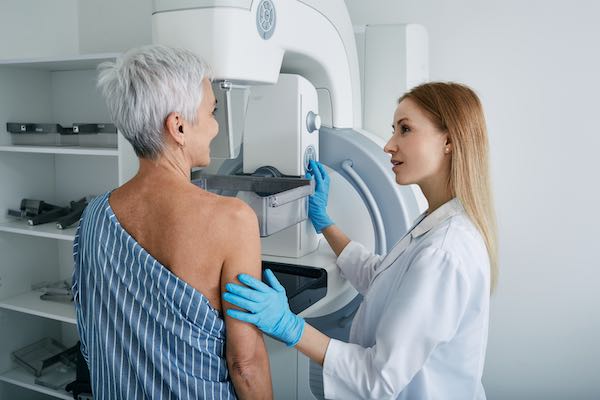
2. Don’t put off your mammogram.
For women at average risk, routine mammography generally begins at age 40. But your individual screening schedule may be different based on your risk factors, so confirm with your primary care or OB/GYN physician. And if you’ve never had a mammogram, it’s not too late to start. “It is better to find out than live your life in the dark,” says Dr. Kim. “Through regular screenings, we can potentially catch something before it becomes a much bigger problem.”
3. Pay attention to changes - and talk to your doctor.
A lump or other breast change doesn’t necessarily mean cancer, but it is worth discussing with a healthcare professional. Benign breast conditions are common, and some may simply need monitoring while others may warrant additional evaluation or treatment.
The important thing is not to ignore something because you are otherwise healthy or because no one in your family has had breast cancer. Breast cancer is common, and it can occur in women without a known genetic risk.
4. If you are diagnosed, you don’t have to navigate it alone.
A cancer diagnosis can be overwhelming, particularly for someone who has not had much experience with the healthcare system. There may be imaging appointments, surgery, medical oncology, radiation therapy and supportive services to coordinate.
Dr. Kim sees part of her role as helping patients navigate that bigger picture—not simply performing surgery. “It is really important for us to be able to guide the patient through not just a surgical process, but through every step of their care so they feel supported,” she says.
5. Ask about your treatment options.
Breast cancer treatment is increasingly tailored to each patient. Today’s surgical approaches allow doctors to remove what needs to be treated while avoiding unnecessary procedures when possible. For some patients, that can mean removing fewer lymph nodes and lowering the risk of lymphedema, a type of swelling that can develop in the arm.
Depending on the diagnosis, patients may also have different options for breast-conserving surgery, mastectomy and reconstruction. The right approach depends on the cancer, the patient’s health and, importantly, her preferences.
Most of all, Dr. Kim encourages women to give themselves permission to ask questions and take things one step at a time.
“Our goal is to meet patients where they are, answer their questions and help them take the next step,” adds Dr. Kim. “For women who have been putting off a mammogram or a conversation about their breast health, that next step can be as simple as making an appointment and starting the conversation.”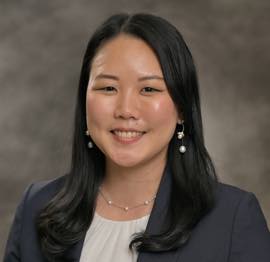 This October, make breast health part of your routine. Know your risk. Stay current with recommended screenings. And if you have a concern, don’t wait to ask about it.
To schedule a mammogram, visit wphospital.org/mammo or call 914.681.1260.
This story originally appeared on Health Matters, a White Plains Hospital publication.
Dr. Leslie N. Kim is a Board-certified breast surgeon and surgical oncologist with White Plains Hospital Physician Associates. To schedule an appointment, call 914.849.7580.