











From Exclusion to Influence: The Story of Jewish Life in Scarsdale
- Tuesday, 07 April 2026 17:53
- Last Updated: Wednesday, 26 August 2026 20:40
- Published: Tuesday, 07 April 2026 17:53
- Joanne Wallenstein
- Hits: 2815
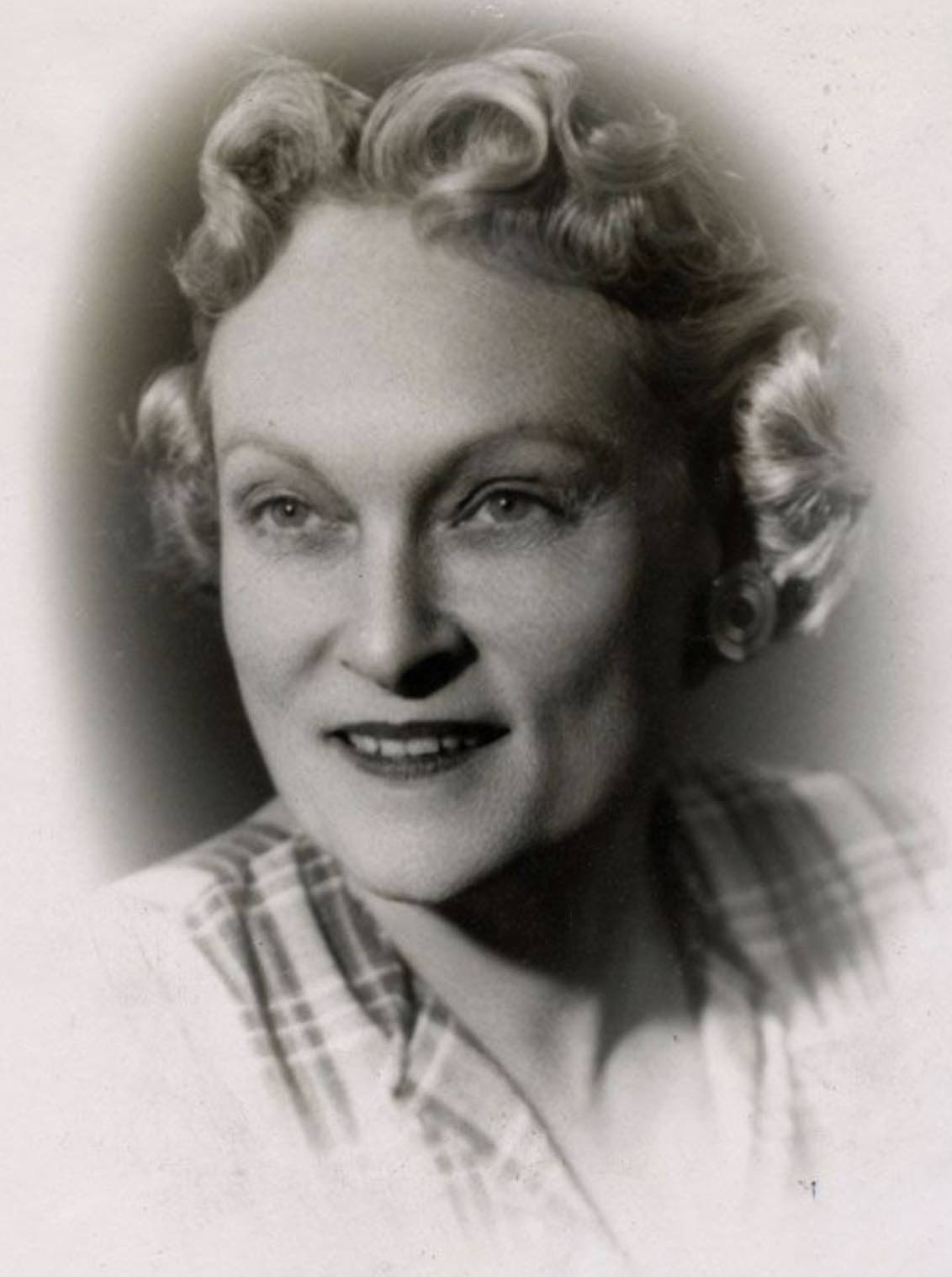 Amelie Rothschild was the first woman on the Scarsdale School Board and the President of the League of Women Voters of Scarsdale. Photo Credit: Scarsdale LibraryThough it’s commonplace to meet Jewish residents in Scarsdale today, there was a time when there were virtually none. While Jewish immigrants began arriving in New York City as early as 1690, very few settled in Scarsdale before 1900, and it was not until the 1950s that they arrived in significant numbers.
Who were some of Scarsdale’s earliest Jewish residents, and how did they come to live here? What factors contributed to the growth of the Jewish community, which made up roughly a third of the population by 1960? These questions were explored in a wide-ranging presentation on the history of Jews in Scarsdale by Village Historian Jordan Copeland, delivered to a packed audience at the Scarsdale Library on Monday, April 6, 2026.
Copeland began with an expansive overview of 3,000 years of Jewish migration, culminating in their arrival in the United States. He examined patterns of assimilation and advancement, noting how some families rose from peddlers and craftsmen to successful bankers within just three generations.
In Scarsdale, Jewish residents became active participants in civic life, joining organizations such as the Town Club, serving on the Village Board, and participating in the League of Women Voters. At the same time, they established their own religious institutions, schools, and synagogues. Excluded from some country clubs, they created their own spaces for recreation and community, including Sunningdale and Quaker Ridge Golf Club.
One of the most compelling parts of the talk focused on where Jewish families settled in Scarsdale—and why. Copeland explained that the high concentration of Jewish residents in Fox Meadow can be traced to 1924, when the 360-acre Butler family farm was sold to two Jewish brothers, the Jacobs, who subdivided the land and sold lots to both Jewish and non-Jewish buyers.
Just across Crane Road, however, a different story unfolded. The Crane Berkley development imposed restrictive covenants that prohibited the sale of homes to Jewish buyers, though they were permitted to rent during the summer months.
In another striking example, one of Scarsdale’s earliest Jewish families, Max and Judith Hayes Goldsmith, lived on a Drake Road estate called Upland. Max served as a Director of the Scarsdale National Bank and a Trustee of the Scarsdale Foundation, while Judith was a founder of the Scarsdale Woman’s Club. Yet when their estate was later sold to Walter Colette, he subdivided the property to create Sherbrooke Park—an area that was restricted to exclude Jewish residents.
Copeland also shared numerous stories about the evolving political leanings of Scarsdale residents, name changes among Jewish families, the Holly Ball controversy at Scarsdale Golf Club that made the front page of The New York Times, and even a dispute over a crèche in Boniface Circle that deadlocked the Supreme Court in a 4-4 vote.
 Jordan CopelandHis ultimate takeaway was forward-looking. Rather than dwell on past exclusion, Copeland encouraged the audience to draw lessons from history to build a more inclusive community—and to treat newcomers as they would like to be treated.
A gifted storyteller, as well as a musician, former teacher and attorney, Copeland spent a year researching original sources to uncover rich details about Jewish life in our Village in a Park. The talk was recorded and you can watch it here.
Comments