








Village Explores New Payment Options for Parking
- Sunday, 16 August 2026 18:29
- Last Updated: Tuesday, 18 August 2026 21:17
- Published: Sunday, 16 August 2026 18:29
- Joanne Wallenstein
- Hits: 2496
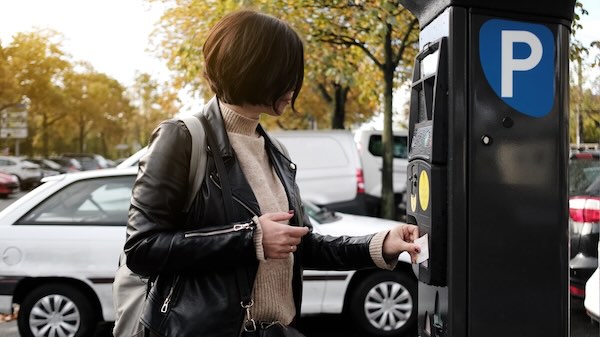 Gone are the days when you didn’t leave the house without a roll of quarters in your car to feed the parking meter while you did your shopping. And also numbered are the days of hiring full time employees to empty the meters of quarters. In many locations paid marking meters have given way to the use of parking apps like Pango or Passport – along with multi-space pay stations that allow drivers to input their space number and pay with an array of options including credit card or Apple Pay.
Looking to optimize use of the limited number of spaces in Scarsdale Village and find the easiest way for parkers to pay, Scarsdale is investigating the use of multi-space pay stations which may be used in combination with or as a replacement to individual meters.
To that end, in June, the Village brought two multi-pay stations into the lobby of Village Hall and asked residents to try them out and provide feedback.
A June 25, 2026 memo explained, “The first pay station is the MS3 from IPS Group, Inc. and the second pay station is the Citea from Pango/Mobile Smart City, Corp. Both have been programmed with time limits currently in use in the downtown business district to provide an experience consistent with current parking services.”
“We invite everyone to visit the lobby of Village Hall to test both units and share comments about each pay station including the ease of use, physical appearance, screen readability, and other relevant factors. Additionally, we encourage you to test the payment features. Credit card payment will only be simulated and you will not incur a charge. Please note, this demonstration is intended to evaluate the equipment only.”
Discussing the initiative at the August 11, 2026 meeting, Mayor Justin Arest explained:
“Parking has been a challenge in Scarsdale for as long as anyone can remember. I recall a former mayor who grew up here telling me it was one of the village's biggest issues when he was a child, and decades later, it was still one of the biggest issues during his time as mayor. I don't think we are ever going to solve parking and eliminate every frustration. Parking is a finite resource, and our responsibility is to manage that resource as effectively as possible The good news is that our parking challenges are not the same everywhere or at every hour. They are concentrated in specific locations and during peak periods, which means they can be managed more intelligently. That is the purpose of this modernization effort.”
“We are not adopting new technology for its own sake. Our existing coin meters are aging, expensive to maintain, require continual coin collection and repairs, and operate separately from the electronic payment and enforcement systems we already use. Just as importantly, they provide virtually no meaningful data about how our parking system is actually functioning.”
“Without that information, we are forced to make parking policy based largely on assumptions rather than evidence. Good parking management depends on turnover. Spaces intended for customers and visitors only serve their purpose if people can reasonably find one when they need it. To accomplish that, we need to understand how long vehicles typically stay, where demand is greatest, when occupancy peaks, and whether our existing time limits are achieving the results we intend. For example, most of our downtown parking spaces today have a 90-minute limit.”
“Is 90 minutes the right time because we carefully analyze parking patterns and determine it best serves our businesses and visitors, or is it simply a standard that has existed for many years? Modern parking technology allows us to answer those questions with real data. We may find that some locations would benefit from 15 or 20-minute spaces for quick errands, coffee, or pickups, while other areas would be better served by longer stays that allow people to shop, dine, and visit multiple businesses. Different parts of the village may require different approaches.”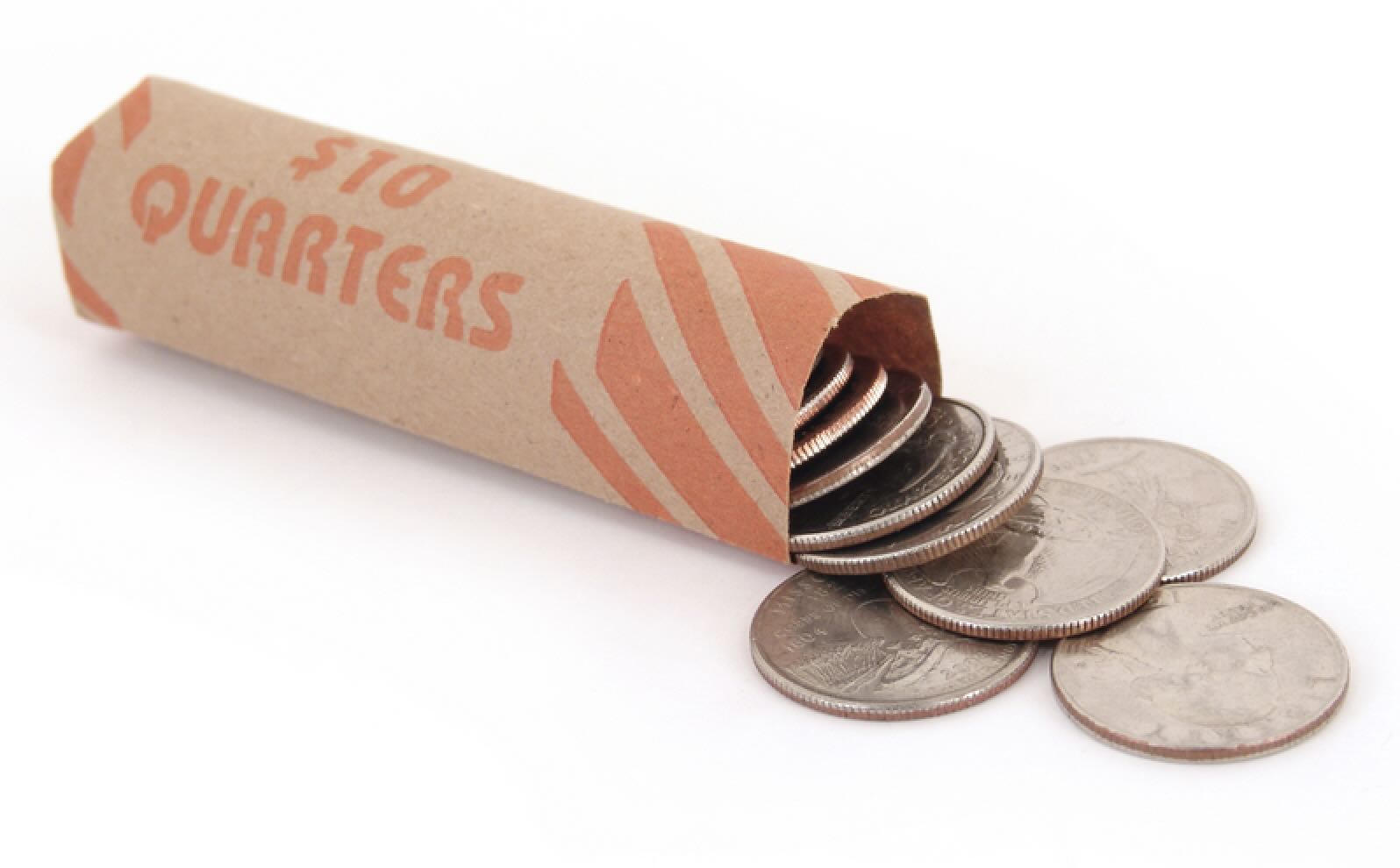
The objective is to use the right tools for each locations while providing consistent management and enforcement across the system. There are also practical and financial reasons to modernize, maintaining 382 individual coin meters collecting coins, repairing aging equipment, replacing batteries, fixing wiring, and manually reprogramming each meter whenever changes are needed is neither efficient nor sustainable.”
He concluded, “To be clear, nothing has been finalized, and no plan has yet been presented to the community. Before we developed the final proposal, we decided to give residents and merchants the opportunity to evaluate three pay stations themselves, so we can determine which equipment is the most user friendly. We cannot finalize the details until we know the equipment. Once we have that input, we will put the plan together and share it with the community for feedback.”
He said, “Our objective is straightforward: improve turnover and parking availability where it is needed. Provide convenient payment options. Improve accessibility. Operate more efficient and equip the village with the information necessary to make better parking decisions in the future. In September, we expect to present a much more detailed overview of the system and our implementation plan, we will continue to welcome feedback from our residents, merchants, and other stakeholders as we refine the proposal. Parking has frustrated this community for generations. We have an opportunity to manage it better, not by promising perfection, but by making decisions based on better tools, better information, and real experience-that is what this effort is intended to accomplish.”
Though the Mayor’s rationale sounds reasonable, some are already to objecting to the use of multi-pay parking stations saying they require more walking, are difficult for people with children and the handicapped, may require you to stand on line to use it or even stand in the rain. A petition circulated by Deborah Skolnik from Oakstwain Road even suggests that eliminating the meters will “detract from Scarsdale’s quaint appeal,” and encourage shoppers to go to Central Avenue where parking is free. She has already gathered 537 signatures.
She attended the August 11 Village Board meeting to speak out about parking and here are her comments:
“I am here to voice vehement opposition to Scarsdale's plan to replace our individual parking meters with single pay stations. I'm speaking not just for myself, but on behalf of hundreds and hundreds of Scarsdale residents, more than 550 so far, who have signed a petition I circulated, agreeing that these stations are a no, and this is a petition that has circulated only on a handful of Facebook pages and only a handful of Scarsdale residents belong to in the dog days of summer.”
“I'd like to share a personal anecdote. About two months ago, while my mother was gravely ill, I went to Starbucks in the village. I had used a nearby single base station, and when I entered in a quarter for 15 minutes, when I returned to my car six minutes later, there was a $20 ticket on my windshield. I checked my receipt, which many people don't even keep, and confirmed the error. So, in the middle of a family crisis, I now had to find time to go to Village Hall and argue my case.”
“As somebody mentioned to me, when a machine like that makes a mistake. It's one of the few times when you are considered guilty until proven innocent. As my mom's condition deteriorated and I spent a lot of time out of Scarsdale, I forgot about the ticket. By the time I remembered it, I had misplaced the receipt, which is on me again. I resentfully paid my ticket for a traffic violation that was imaginary.”
“As I was leaving Village Hall, I saw two pay stations by the entry, along with an announcement that we'd be transitioning to these machines. You must reverse course. I forwarded you a list of more than 50 comments from Scarsdale residents who have concerns. One of the biggest groups are seniors, whose population is roughly 2,600, and includes people with limited mobility use pay stations. My mother loved shopping here, but she would have struggled to walk to a pay station and wouldn't have understood how to use it, let alone use a parking app, which would have been senseless anyway. Because my mother, like many elderly people, didn't have a smartphone.”
“Also, please consider the more than 600 disabled residents who live here. One such person told me she parks in a handicapped spot, and it would defeat the purpose if she had to walk to a pay station. Even if you make all the handicapped spots free, there aren't enough for everybody who needs one.”
“Then there are people with small children. One parent said that shopping with my profoundly autistic son, who bolts without warning, brings enough difficulties without having to add this step. He said this applies to all parents and said having to corral little ones on a sidewalk in all kinds of weather while giving your sustained attention to a machine rather than to the human beings who need you to keep them safe is an accident waiting to happen.”
“Other complaints were ones like always forgetting your license plate number and having to run back to chat, standing in line to use a pay station even in bad weather, faulty machines that refuse a perfectly valid credit card, or, as I know, issue tickets never, plus machines that only take certain cards. People are complaining that pay stations also have an urban feel and will degrade our beautiful village's ambiance. “
A major issue is loss of privacy. Why should people have to input their license plate when they're just running into Bagel Emporium? Our location and movements will be recorded.
As one person commented, if more people really, truly understood what nonstop, round-the-clock surveillance of everywhere we go, everything we do, everyone we meet, and the duration of each activity actually means for the future, they would reject this kind of tech. I personally thought we just had this conversation regarding Flock.”
“Perhaps a discussion of economics is also in order. People have told me that if they have to use pay stations, they're going to take their business elsewhere. We should not ignore this feedback. We have many advantages. For example, being prettier and more upscale than our neighbors. However, compared to neighboring villages, we are also at a big disadvantage because we're closest to Central Avenue, where parking is abundant and free. For almost every store in the village, there's a similar one on Central Avenue. All you have to do is drive five minutes, and it's all there. Competition is fierce, so at a time like this, when the village is scrambling to minimize empty storefronts and boost business, wipe out yet another barrier to shopping here.”
“Yes, perhaps our pay station may trim a budget, but one woman complained that if we're going to pay top taxes, and she wants convenience for that. Someone else told me that pay stations will do away with the ability to park in a spot when there's still time left on a meter. This means the village will collect more revenue than there is available parking.”
My name is Miriam Poppo also had comments on parking. She said, “I live at 11 Campus Place. The address says Scarsdale, and technically it's not. It took me five years to learn that I don't live in Scarsdale. I have some opinions. I thank you for delineating why Scarsdale wants to look into parking in a different way. It makes a lot of sense. But there's a few points I really want you to consider. First is I really don't like Pango. In the city they have other kinds of meters that are just very easy, and White Plains has them. Bronxville has them as well. They're much easier to use, and I have heard of too many, as Deborah mentioned, too many anecdotal experiences with Pango where you put money into the Pango meter and you walk out with a ticket.
Anyway, there are too many mistakes that were made, in my opinion. Percentage-wise, it may not be, but I think it's just something to really consider. What kind of machine are you going to use? What is the spacing of the pay stations that you're thinking of? The city has one per block, basically. Half the time you have to walk across the street because the one on your side doesn't work. You have to walk across the street. There is a mobility issue for a lot of people, not just in bad weather. The one at Christie Place, at least, is covered. It is a Pango machine, and I it took me forever to want to use that. Is it really necessary to charge me more to use my phone app to pay than to go to a pay station? It's another reason I don't like Pango. It's just out of principle. I don't want to pay those few pennies more for that convenience, I'd rather walk around with $10 worth of quarters.”
Mayor Arest responded to Poppo, saying “So I want to thank you sincerely because you didn't come up here and just tell us that we're wrong or that we're, you know, I'll save my other adjectives for us. But you pose a lot of important questions and concerns, and hopefully want answers and to understand what we actually are planning. So I truly appreciate it. We will certainly address all of it. It will all be part of the plan as we're talking about it in September. A couple things I do want to mention: Bronxville does have Pango. Handicapped accessible spots… You know, the way we're thinking of it now would have meters still at the spots. You wouldn't have to go to a Muni meter. There are three down there, and you mentioned you know the esthetics of it, the size of it. I don't care that you're not a Scarsdale resident. If you shop in the village, go tell us what you think of the three.”
Later in the meeting Skolnik returned to the mic. She said, “I regret that I ran out of time the last time I was up here to talk about one possible solution to our problem, which is that my understanding is that Greenwich, which is very similar to us in many ways, has allocated money in their budget to begin to replace their traditional parking meters as well, and what they're going to do is replace them with meters that accept both credit cards and cash. I think that'd be very helpful to a lot of people here. Maybe there's some way too that the village can absorb the costs of Pango if indeed taking out our meters and putting in pay stations is going to be saving us so much money in terms of labor.”
“One last thing that I wanted to say, if this isn't too forward, is that part of a democratic government, as I understand it, is that you are allowed to come up and strongly say to somebody that they're wrong. It doesn't mean I'm right, but I do think it's okay to say that. Thank you for your time.”
The Mayor responded, saying “Of course, that's why we have public comment. Public debate is healthy in democracy. Having disagreements is healthy. My only point from before, which I'm assuming is what the implication is about, is that I would just appreciate what people do with full information rather than casting aspersions and sharing misinformation online, and getting people to sign petitions without having full information-that was my point.”
Deputy Mayor Dara Gruenberg added, “Well, I think there's another piece. You keep using the word plan. There is no plan at this point, I think what we were trying to do and did before we actually generated a plan was get a sense of which pay station people preferred, because then that would help inform the plan that we are going to devise, come up with, and bring to the public. So, so you keep saying people didn't know the this was happening. Nothing is happening yet. So we were prematurely maybe going to the public and saying these are the options in terms of pay stations, but there is no plan yet.”
Comments
We're not Manhattan. Follow Rye and Irvington - eliminate the meters on the main streets. Think of all the time/money saved in management, ticket writing , and administrative personnel.
I wonder about the cost to make the parking system pay off. It doesn't act now as a deterrent to "illegal" parking. Everyone does it. It's probably pretty close to a wash, simultaneously driving residents to Central Avenue or other towns and losing Scarsdale sales tax revenue .
I wish I knew how to get that anti-electronic meter petition. I'd love to sign it.