







Back to School Guide 2015
- Details
- Written by: Joanne Wallenstein
- Hits: 18003
 Say it ain't so! Summer is quickly coming to a close – and with school starting before Labor Day this year, the race is on to buy a backpack, school supplies, fall clothes and sign up for classes, enrichment, religious school, afterschool sports and fun. If your child has a fall birthday, you may also be planning a party. Below are just a few of the wonderful places and programs with activities for kids and families within driving distance of Scarsdale. Consider these and use the comments section below to recommend your local favorites.
Preschool:
Alef Bet Preschool provides children with an educational and enriching Jewish experience in a newly renovated beautiful old building and natural playground which was the former site of the old Young Israel of New Rochelle. Alef Bet provides endless opportunities to give children a passion for learning and Judaism that will last a lifetime. The children enjoy Musical Munchkins, nature, gardening, Super Soccer Stars, the Nature of Things, performances at the Performance Arts Center, yoga, cooking and Shabbat celebrations in a warm and loving atmosphere. Also ask about our Chabad Hebrew school" once or twice weekly "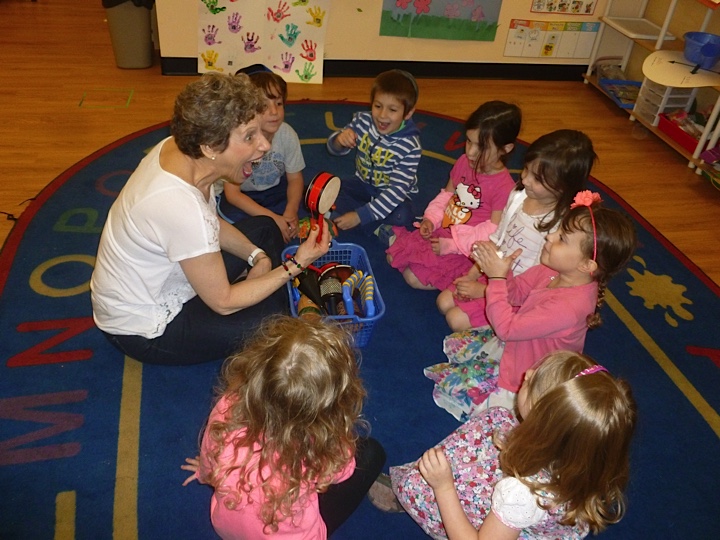 a vibrant Jewish learning experience for children age pre-k through high school. No membership needed. Financial aid, early and late drop-off available. Visit us at alefbetschool.com (914) 712-8332.
Congregation Kol Ami: The Early Childhood Program at Kol Ami is dedicated to providing a comprehensive and developmentally appropriate curriculum teaching and modeling Jewish values. We believe that children learn best through experiential play and provide for these rich experiences within warm, accepting, and nurturing surroundings. All of our Head Teachers have Masters Degrees in Early Childhood or related educational fields. We offer a wide range of programs for children (from 2 months to 5 years old) and their families. Our A Step Ahead! program for Fall 5 year olds provides full day pre-K learning until 4 pm. For more information, contact: Nan Blank, Early Childhood Program Director at nanblank@nykolami.org or call her 914-949-4717 x107.
 Mazel Tots® provides a warm and stimulating environment, which encourages children's curiosity and helps them to grow socially, emotionally, physically and intellectually. Our warm and nurturing staff will guide the children through a curriculum filled with a variety of child-centered and developmentally appropriate activities that are safe, fun and friendly. The children's spiritual growth will be enriched by the study of Jewish holidays, traditions and family values. We also offer a group of special activities such as sports and games, music, creative movement, sign language, nature, yoga, karate, science, art and more! We have two beautiful new playgrounds and gardens, plus a newly equipped indoor play space featuring ride-on toys, gym equipment, giant blocks, stepping stones and the like! Our Early Childhood Program serves children from 18 months until Kindergarten-bound! We also have afternoon Enrichment Programs and a Parenting Program! For more information please contact Jody Glassman, Early Childhood Program Director at 914-723-3001 or mazeltots@sstte.org. You can also visit our website at www.sstte.org.
Over the Moon Music and More: Did you know that all children are musical?  Over the Moon Music and More offers Music Together®, the research-based, international music and movement program for children newborn to 5 years with an adult caregiver, in Chappaqua, Mount Kisco, Scarsdale, Tarrytown, and Tuckahoe. We also offer Uke U., a fun mommy-and-me ukulele program, for 3- to 6-year-olds. Coming this fall in our newly expanded Scarsdale space: birthday parties, mommy-and-me art classes, parenting groups, mini-camps, a children's play space, and a gift shop! For class and demo class schedules, please visit www.overthemoonmusicandmore.com or call 914-722-2025.
Fun, Sport and Parties:
Backyard Sports Prep Basketball is now accepting registrations for all 3rd-9th graders to participate in our Fall Basketball League. The program takes place at Purchase College on Sundays. For more information go to: www.byardsports.com or call Danny Bernstein at 914-304-4052.
Chelsea Piers Connecticut: Our 465,000 sq.-ft. cutting-edge sports  complex provides world-class facilities, expert instruction and the most exciting sports curriculum available – all under one roof. Sports facilities include: two ice rinks, an Olympic-sized pool, a Splash Zone water park, 12 squash courts, 7 tennis courts, baseball/softball and gymnastics training centers, a Field House with a 100-yard indoor turf field for soccer, lacrosse and field hockey, Aacer Maplewood basketball and volleyball courts, a preschool and child care center, a pro shop, a cafe and a restaurant.
Fall programs include a wide range of sports classes for children ages 4 months to 18 years, Chelsea Piers Athletic Club competitive teams and Adult Leagues in basketball, ice hockey, soccer and volleyball. Memberships are available for families, single adults and youth, and members now have access to a 65,000 sq.-ft. state-of-the-art fitness center and clubhouse. Chelsea Piers Connecticut also offers a wide range of birthday party options, including Splash Zone and Adventure Center (Trampoline & Rock Climbing) parties. Chelsea Piers is also a popular spot for sports-themed Bar and Bat Mitzvahs. Contact Chelsea Piers by phone at 203.989.1000, email at: info@chelseapiersct.com or visit www.chelseapiersct.com.
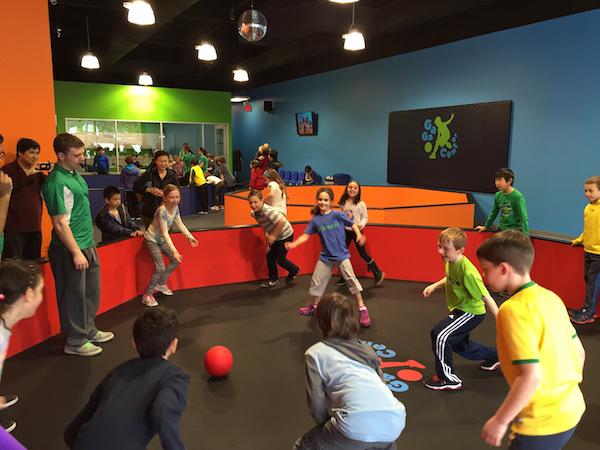 The Gaga Center is located at 365 Central Park Avenue in Scarsdale, New York. With high ceilings, lots of sunshine, three permanent pits and a kicking sound system, the energy is boundless. We offer weekly after school classes, programs for days off from school, Open Gaga on weekends, and birthday parties! We even have a fabulous private party room for all your happy celebrations. And the best part is, we'll take care of it all — from food to paper goods to party favors and everything in between. The Gaga Center, 365 Central Park Avenue Scarsdale, NY 10583, (914) 368 – 9889, www.gagacenter.com.
 Here&Now Yoga+Body is Westchester's premier studio specializing in yoga, core fusion, and barre fitness classes. All classes are strengthening, mindful, creative and fun! Whether you are a beginner or an advanced practitioner, there is something for everyone. Here&Now also offers prenatal, parent/baby, family yoga, and a wide selection of kids yoga classes for ages 3 and up. Open seven days and offering more than 30 classes per week, we are conveniently located in the heart of Scarsdale on Garth Road. Please visit hereandnowyogabody.com for our schedule, teachers and other information.
Kinderkickers teaches soccer to children ages 3 to 6.  It is instructional with an emphasis on individual soccer skills. The program is taught is such a way for children to develop a love for the game and have fun. The Fall program is on Saturdays beginning September 12th at St. Pius. Call today to enroll (914) 833-2024 or click here summitsoccer.net for more information.
 Proform Tennis Academy offers tennis lessons to all ages, all levels and all types of players. Whether it's through a clinic or private lessons, we have something to suit your needs! Our junior program starts at the Developmental Stage with the USTA QuickStart. This program uses lighter balls, smaller racquets and smaller courts. All tailored to the age/size of the child. Once a player has progressed though the various levels of the QuickStart program they will move into the Competitive Stage where players learn to develop their skills by focusing on technique, strategy and movement. For more information please visit our website www.proformtennisacademy.com or contact our office 914.935.6688. Proform Tennis: 975 Anderson Hill Road Rye Brook NY 10573
Westchester Skating Academy is a year-round, twin-rink ice skating  facility offering recreational, hockey, and figure skating for all ages and abilities. WSA programs include public skating, learn-to-skate classes, group events, birthday parties, summer/holiday camps and clinics, adult and youth hockey leagues and instruction, and much more. Visit us online for more information at www.skatewsa.com. Or contact us via email at: skateinfo@skatewsa.com, or (914) 347-8232 for more information.
Enrichment:
The JCC Academic Center offers a series of classes, lectures and  workshops designed to help students on their journey to college. The Center's fall schedule includes a myriad of programs including practice ACTs and SATs, special college admissions programs, College Interview Essentials, College Application Essay Writing. It also offers teens and tweens Organizational &Study Skills workshops, speed Reading, Babysitter certification and more. http://jccmw.org/teens/academic-center-college-prep/ 472-3300, x275, email: itzkowitzl@jccmw.org Pre-registration is required for all Academic Center lectures and workshops. Mention Scarsdale10583.com receive 10% off any Fall 2015 JCC Academic Center class or workshop.
Nina Cannon -College Essay Tutor: Need help with the college application process? Let Nina Cannon assist with drafting, editing and perfecting your child's Common Application essay and supplemental essays and provide guidance on all aspect of the college application process. She is a college essay tutor, freelance copyeditor/proofreader, former corporate attorney, and mother of three children at MIT, Princeton, and Bucknell. Nina Cannon, 914-329-7012 / nincan@verizon.net, www.cannoncollegeessays.com.
Education at the JCC of Mid-Westchester: Feeding the Minds and Bodies. Pre-school learners all benefit from the full service nursery schools, fitness and sports facilities and professional teaching staff throughout the JCC .... A year round indoor pool, fitness programs, arts programs and Special needs programs. All under one roof! Early drop off late pick up available. The JCC's Summer Art Center (SAC), a one of a kind program that provides a non-competitive, nurturing and flexible environment for all children with a passion for the Arts, continues throughout the year! Classes are all taught by professional artists and teachers and offers high quality instruction in Fine Arts, Dance, Theatre and Music. The Dance School provides extensive programs for pre-schoolers, teens, and adults. The Academic Center offers everything you need to prepare your kids for college entrance. One of the best things about having more than 250 programs for the whole family is that we can offer discounts to our members and patrons. For example, Nursery school families get significant discounts on the fitness packages, camps, and even pre-registration priority for programs that sell out like gymnastics. Contact the JCC for more information or to schedule a tour: 914-472-3300, www.jccmw.org.
Mathnasium makes math make sense! Their goal is to  significantly increase your child's math skills, understanding of math concepts, and overall school performance, while building confidence and forging a positive attitude toward the subject. Using sophisticated techniques to determine what a student does and does not know, they tailor-make a personalized and prescriptive learning program. Each student follows their program with the help of specially trained Mathnasium math tutors, who provide instruction and lots of warm encouragement. At Mathnasium, the mission is simple - to teach children math the way that makes sense to them. Mathnasium offers instruction for K-12th grade, 1-on-1 instruction, unlimited monthly attendance, homework help, Regents/ACT/SAT prep, and optional communication with you child's school teacher. "I want to thank you for all you have done for Emily with her math and, most importantly, her self confidence. Her experience at Mathnasium Scarsdale has been like-changing. Many thanks for all you do!"
Mathnasium is open for assessments and instruction Monday - Thursday form 3:00-7:00pm and Saturdays for 10:00-1:00pm. Special High School only hours are on Tuesday and Thursday for 7:00-8:30pm.
Mathnasium of Scarsdale - 747 White Plains Road/914-725-MATH (6284)
Mathnasium of Larchmont/Mamaroneck - 1009 W. Boston Post Road, 914-725-MATH (6284)
Opening this fall: Scarsdale Park Mall - 450 Central Park Avenue, (By Central Park Dance and Gymboree Play & Music)
Religious School:
 Scarsdale Synagogue Temples Tremont and Emanu-El Religious School welcomes you to join our exciting, innovative, and joyous community. Our program is designed for Pre-K to 12 and each grade has its unique educational focus (i.e. Holidays, Bible, Jewish Ethics and Social Action) and will enjoy exploring that theme through movement, visual art, music and more. Through these themes, we strive to instill a love of Jewish learning and sense of Jewish self among our students and families. Using 21st century technology to teach the relevance of the texts and traditions of Judaism, we make Religious School engaging, meaningful, and fun. Our school strongly reflects Scarsdale Synagogue's warm and welcoming approach to creating a Covenant Community of Shared Lives and Real Relationships. In addition, we offer an inclusive program, serving students in grades 4th-6th who benefit from small class sizes and specialized resources, and accommodating a range of learning and social challenges such as language-based learning disabilities and ADHD. We invite members of the wider Westchester Jewish community, of all ages, to stop by and learn more about our commitment to lifelong Jewish learning. For more information, please contact Rabbi Ilyse Glickman, Director of Congregational Learning, at 914.725.5175 or rabbiglickman@sstte.org. You can also visit their website here. w
Looking ahead:
 Spectacular Summers: Are you starting to think about sleepaway camp for your child for Summer 2016? Ellen Wylie of Spectacular Summers would be happy to help you. Based in the Scarsdale/Edgemont area, Ellen knows the camps and teen programs well and will share her personal knowledge and expertise with you. Ellen extensively visits camps and teen programs every summer. During the rest of the year, she speaks and meets with directors and obtains feedback from families she has placed. As a result, Ellen has the up-to-date knowledge and information to make the right recommendations for each child. Ellen gets to know the individual child and provides each family with a few (and not too many) well-thought out suggestions. The service she provides is free of charge to parents. Ellen is highly respected by camp directors and parents alike. To find that spectacular summer program for 2016, call Ellen Wylie at (914) 722-2644 or email ellen@spectacularsummers.com. Visit her website here.
Take the Brain Freeze Challenge
- Details
- Written by: Joanne Wallenstein
- Hits: 8038
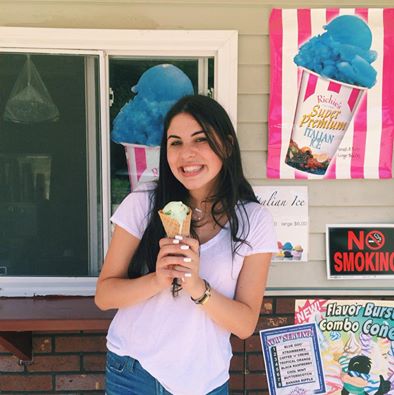 Soon to be Scarsdale High School senior Alexis Zachem is celebrating an unusual anniversary this August: It's been two years since she underwent surgery to remove a benign dermoid brain tumor and reconstruct her skull. Discussing the experience, Zachem says, ""Throughout my recovery I have come to understand how fortunate I was that my tumor was benign and curable. I have devoted most of my time since to fundraising for brain tumor support organizations and mentoring pediatric patients."
Zachem wanted to do something to help others with brain cancer or brain tumors who may not be so lucky. This summer she approached an organization called Voices Against Brain Cancer hoping to help them with their mission.
She came up with the idea of launching a social media campaign, similar to the ALS Ice Bucket Challenge to raise awareness and support. " I have always been fascinated by how quickly a post on Facebook can spread to thousands of people and I want to use that to my advantage. My goal is to raise as much money and awareness for brain cancer as possible."
The concept is simple and fun and Zachem invites you to participate.
Here's how: Take a photo of yourself with any frozen treat (an ice cream, iced coffee, ice-pop, etc) and upload it to any form of social media (Facebook, Instagram, etc.) with the following hashtags: #brainfreezeforbraincancer,
#voicesagainstbraincancer and challenge others to do the same or donate at www.brainfreezeforbraincancer.org.
The campaign already has national reach with hundreds of shares and Zachem invites you to enjoy a frozen treat, take a photo and give the campaign some local support.
Local Second Graders on Stage in Dream Street
- Details
- Written by: Joanne Wallenstein
- Hits: 7859
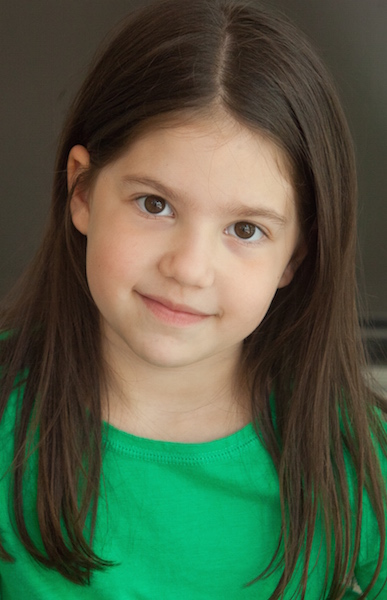
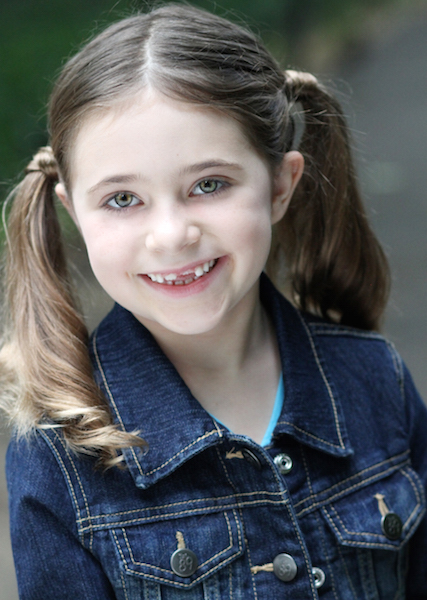 Alyssa Marvin and Carly Waldman, both seven-year-old soon-to-be second graders, (Alyssa at Greenacres and Carly at Greenvale), are performing in the brand new musical, Dream Street, this month at The Pearl Theatre on 42nd Street in New York City.
Directed by Laura Luc, Dream Street, which comes straight from London, follows the story of a group of kids auditioning for a big time West End producer. This is not unlike a day in the life of these two young girls. "I love auditioning because it's like you are really becoming the character each time you audition." said Alyssa. Carly added, "You don't always get the part when you audition for something but you keep trying if you love it and you never give up, and that's what Dream Street is all about."
In Dream Street, Alyssa plays the parts of Madeline and George and Carly plays the part of Nora. "I'm really excited about Dream Street because of the amazing dancing in it, and because I get to work with new people and old friends who are so talented," said Alyssa. "I learn a lot really fast during Dream Street rehearsals because so many of the kids are really good singers, actors, dancers, and gymnasts" said Carly. "And the big kids always try to help out the littler kids and then we're friends forever. I think anyone who comes to see the show is going to be really impressed and probably even want to see it again!"
The girls met at the age of two in preschool and have been friends ever since. They share a love for acting, singing and dancing, although it was not until earlier this year they were able to share the stage together for the first time in a New York workshop production of Annie Jr. produced by Kids of the Arts.
Carly has been in many Random Farms Kids Theater shows and most recently played Molly in their production of Annie Jr. She made an appearance on Fox's The Following, can be seen in the web series Sitters, filmed a short film called Search for Light, and performed in the Kids of the Arts produced Broadway Kids. Alyssa has also performed in numerous local children's shows and last November made her New York debut in the 25th Anniversary Production of Number the Stars. She originated the role of Crystal in Sometimes Gay Means Happy at the Planet Connections Theatre Festivity, appeared in Cat on a Hot Tin Roof with Actors Conservatory Theatre, and can be seen in a short film as Young Jane in the Twilight Saga prequel Consumed.
Alyssa's performance dates are August 12 at 2:00 pm, August 14 at 7:30 pm, and August 15 at 7:30 pm.
Carly's performance dates are August 13 at 7:30 pm, August 15 at 2:00 pm, and August 16 at 6:00 PM.
Dream Street features book, music and lyrics by Jo Noel-Hartley. Set Design by Rory Mulholland Scenery, Costumes by Lucy Luc, and Lighting by Michael Catalan. Choreography by DanceMolinariNYC/LA: Stephanie Bissonnette, Alec Vargas and Boe Wank, under artistic direction of Janine Molinari. Music Direction by Sinai Tabak. Directed by Laura Luc.
Tickets can be purchased at www.DreamStreetNYC.com.
The Pearl Theatre is located at 555 W 42nd Street, New York, NY 10036.
JCC Announces New Nursery School Interim Director
- Details
- Written by: Joanne Wallenstein
- Hits: 4951
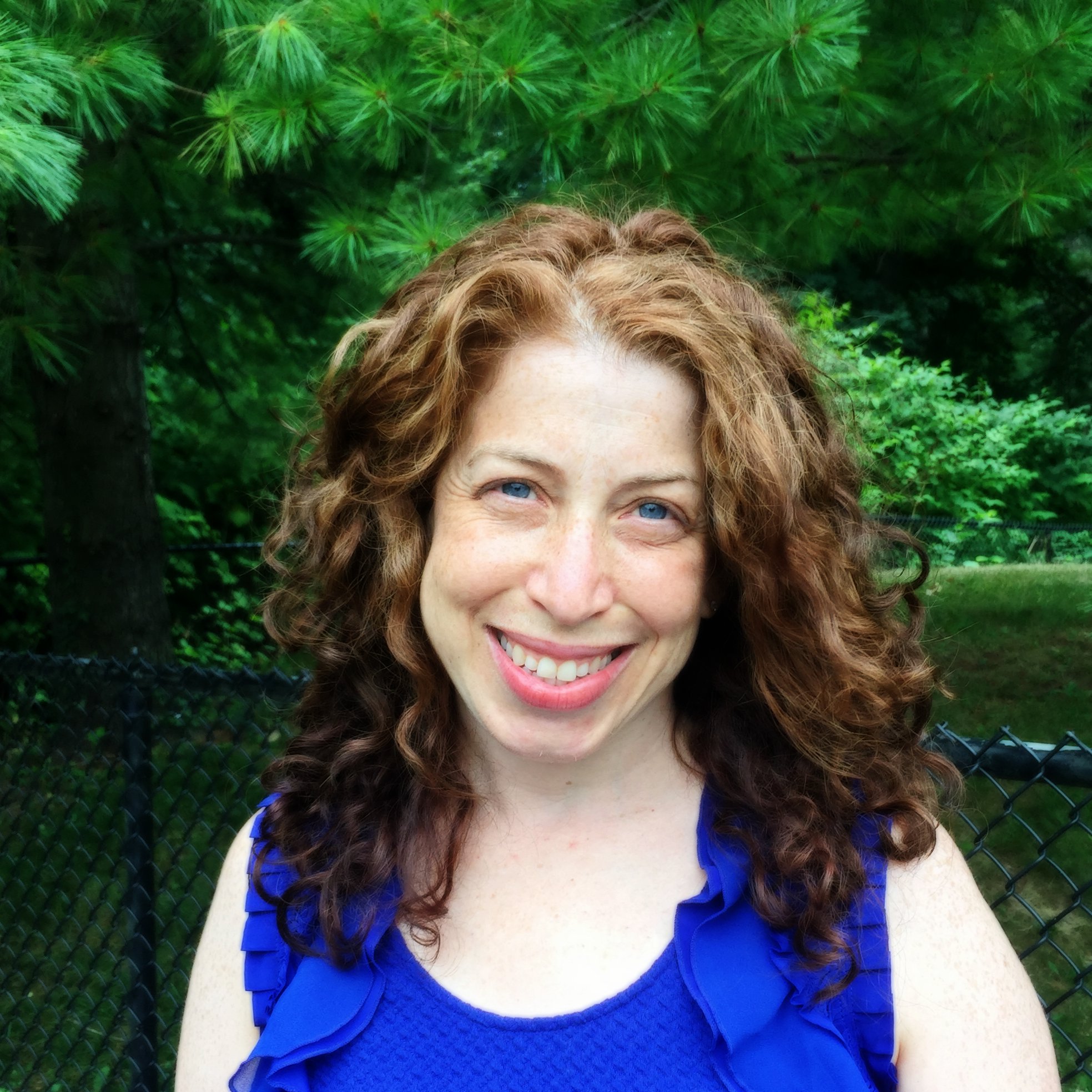 Caryn Symons, the current Director of the JCC of Mid-Westchester's Camp Gadol, will assume the position of Interim Director of the JCC's nursery school effective August 31, 2015 replacing Julie Dorfman who is relocating to another state. This position is in addition to Caryn's leadership role as Director of camps. Caryn brings to this role 12 years as a teacher of all ages in the nursery school. In addition, she was a head counselor at Camp Gadol for four years, and became its director in 2010. Caryn received a Bachelor of Arts degree in Psychology from SUNY Binghamton and a Master of Science Degree in Education from Queens College.
Karen Kolodny, Executive Director for the JCC stated, "We are proud of the JCC's nursery school with its history of a strong curriculum, nurturing teachers, and supportive community in a healthy and secure JCC. I am confident Caryn will continue to enhance the nursery school for the children and the families and will bring her own ideas as a professional educator to this role". She continues, "I invite people in this community to take this opportunity to meet with Caryn or contact me directly with any questions or to take a tour of our facility."
Alex Baranick Weds Tawnie Chandler in California
- Details
- Written by: Joanne Wallenstein
- Hits: 8778
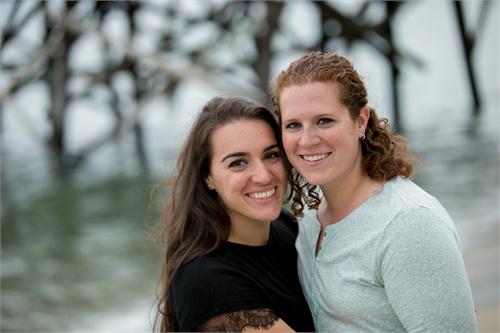 Alexandra Baranick and Tawnie Chandler were married at the Bel-Air Bay Club in Pacific Palisades, California on July 26, 2015. Alex is a 2006 graduate of Scarsdale High School and her parents David and Karen Baranick still live in town. She attended Dickinson College and now lives in New York City where she works as the Coordinator of Strategic Initiatives for the Union for Reform Judaism.
Tawnie grew up in Columbus, Ohio and her mother Kristie and stepfather Mike recently moved to Portland Oregon for a more outdoorsy lifestyle. Her father, Bryan, lives in Champagne County, Ohio where he grew up and where Tawnie was born. Tawnie holds a BA and a Masters in Social Work from the University of Kentucky and is a Development Associate at the New York Foundling
The two met online.
Their wedding was officiated by Rabbi Jonathan Blake of 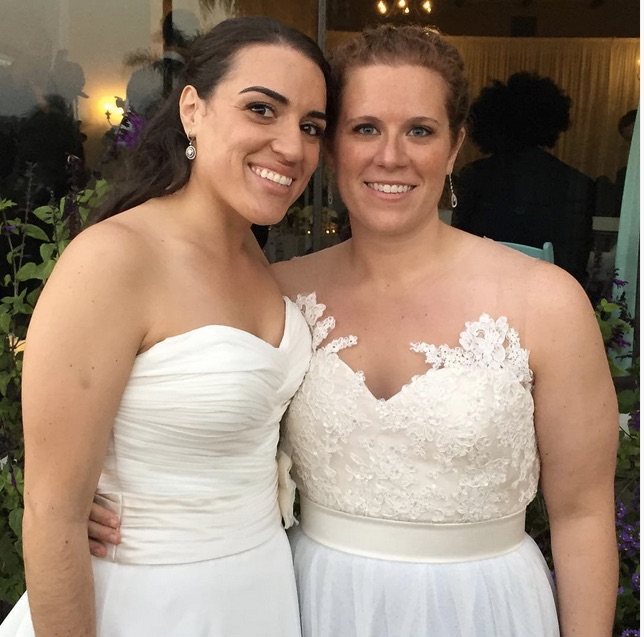 Westchester Reform Temple who flew to California to perform the ceremony. Many Scarsdale friends of both the bride and her parents attended a joyous weekend celebration in Bel Air, where the Baranicks recently purchased a home. The wedding party included her sister and maid of honor Amanda Baranick, bridesmaid Carolyn Fisher, who was a teammate of Alex's on the Scarsdale soccer team, and ring bearer Jon Kurzner a close friend from Scarsdale.